Sweet Potato Pita Bread (Yeast Free)

0 comments


1 cup 00 or all-purpose flour, extra flour for dusting
Pinch of sea salt
½ - 1 teaspoon ground cardamom
1 cup sweet potato, cooked
1/2 teaspoon extra virgin olive oil
Flour for dusting  

Boil a large sweet potato with the skin on until tender and soft. Test with a fork or skewer.

Place the flour, salt, and cardamom in a bowl.

Remove potato from pan and allow to cool slightly. Peel while still hot: mash quickly with a fork. Add 1 cup of mashed potato into the bowl with flour while still warm. Add the olive oil; mix quickly with a fork. When a dough has formed, remove from bowl and transfer to a floured surface. Knead to combine. Do not overwork the dough.

Roll the dough into a log, then cut into 6-8 portions. Dust your hands with flour and press each piece of dough to flatten as round as possible. Flour and place all portions aside and cover for 10-15 minutes.

Using a floured rolling pin, roll out each dough rotating to keep its round shape. Do not put too much flour on the dough or the result will be tough bread. Roll to about 1/16 of an inch thickness.

Heat a crepe pan or large skillet on medium heat. When hot, place the bread on it. Cook 20-30 seconds on one side, then flip at 30 second intervals until the bread starts to bubble. When it starts to bubble, allow to cook about 45 seconds, then flip again. The bubbles mean that it is cooking from the inside as well. The entire process of flipping and cooking should take about 2 minutes.

When ready, transfer the cooked bread to a kitchen towel in a basket to keep warm. Continue cooking the other portions repeating the same process. Brush off any pieces of leftover flour or bread before cooking the other portions and check the heat, if too hot lower slightly.


This recipe can be made with any spice you such as ground ginger, cumin, coriander and even fennel seeds. If you come up with other options, please send me a comment, I would love to learn what other options are available.

Moroccan Meatballs with Poached Eggs

0 comments

Moroccan Meatballs with Poached eggs 

Grass Fed Beef Meatballs 

Sauce
2-3 tablespoons extra virgin olive oil
1 medium sweet onion, minced
2 garlic cloves, minced
1 (12-ounce) can tomato paste
1 1/2 tablespoon Raz el hanout spice (or mix: cumin/coriander/Turmeric/Paprika equal parts)
Sea salt
red pepper flakes 
3 cans walter (use tomato paste can)
Meatballs:
1 1/2 pounds ground beef (80-85%)
1 cloves garlic, minced
1 small sweet onion, minced
sea salt
1 beat egg
1 tablespoon extra virgin olive oil
1/2 cup breadcrumbs
1 tablespoon Raz el Hanout spice + 1 tablespoon paprika
Red pepper flakes 
2-3 tablespoons fresh Parsley or Cilantro
Topping:
3-4 whole organic eggs 
Organic eggs 

The Sauce: In a large saucepan; add the oil and onion; saute until soft and barely golden.  Add the minced garlic and saute another minute.  Move the onions and garlic to one side of the pan; add the tomato paste and saute with a few drops of olive oil until slightly golden flipping once. Season and add spices.  Mix well and add the cans of water.  Bring to a boil, stir and lower heat to simmer for 5 minutes.
The Meatballs:  In a bowl mix all ingredients well to blend.  When mixed began to form meatballs and place on a platter. In a large skillet or in the oven on a baking sheet,  cook the meatballs until just golden on all sides. When all meatballs have been cooked; transfer to the pan with the sauce. Cook about 15 minutes until the meatballs are done.  Taste for seasoning.  Lastly make a few space (indentations) to add the whole eggs to poach with the meatballs and sauce.  Cover, and cook on simmer until the white is firm, but the yolk is still soft.   When the eggs are done, serve each egg with meatballs and sauce on a serving dish and dip with arabic bread or pita bread.

If you do not have or like to add the eggs, just omit them.  This makes a very satisfying meal.  


Chickpea Dates Cake (With alternatives)

0 comments


3 medium ripe bananas, mashed (organic if available)
3 tablespoons maple syrup or honey  
1/4 cup + 2 TBSPs aquafaba (liquid from canned chickpea or 
               Cannellini beans, or 2 eggs)
2 tablespoons avocado oil or extra virgin olive oil (or Canola if not available)
1 tablespoon vanilla extract
1 1/2 cups chickpea flour (almond or regular flour if not available)
1 teaspoon baking soda
1 teaspoon ground cinnamon
1 teaspoon ground cardamom, optional
Pinch sea salt
6-8 large pitted chopped dates (or chopped walnuts, other nuts, or dried fruit)

1.    Preheat your oven to 350F degrees. Butter a standard loaf pan. Set aside. 
2.    Wet Ingredients: In a large mixing bowl, mash the ripe bananas until smooth. Add in maple syrup or honey, oil, and vanilla; stir well.
3.    Dry ingredients: in a bowl add the chickpea flour, salt, baking soda, cinnamon and cardamom; combine.

4.    Fold in the chopped dates or nuts. Pour the batter into prepared loaf pan and bake for 40-50 minutes, or until a toothpick inserted into the center comes out clean.

5.    Allow the bread to cool in the pan for a few minutes before removing it.  Slice and enjoy! 

Chickpea flour is also called besan flour, garbanzo bean flour. If you are gluten-free chickpea, almond, and gluten-free flour can be used. I made 2 and froze then into thick slices.  When they thaw out you could heat a few minutes in skillet… Moist and Delicious. 

Chickpeas Onions and Soft Dates

0 comments


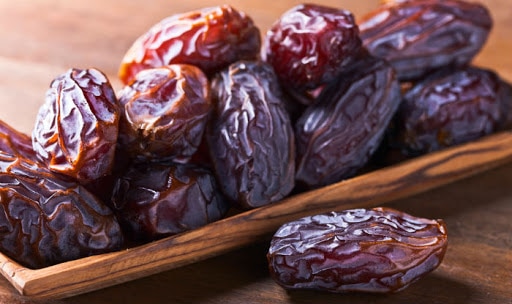
Health benefits of dates: 7 reasons to include dates in your diet 

Chickpeas Onions and Soft Dates 

3 cups cooked chickpeas 
2 tablespoons extra virgin olive oil
2 tablespoons unsalted butter
1 small sweet onion, finely diced
2 tablespoons tomato paste
10 large soft dates, pitted and chopped
1 teaspoon ground cardamom
1 teaspoon ground cumin
1 teaspoon ground coriander
Kosher Salt
Black pepper
Red pepper flakes, optional

1.     If using caned cooked chickpeas, drain only do not rinse and set aside.
2.     Combine all spices in a small bowl.
3.     In a medium skillet over medium heat, heat the oil until it begins to shimmer. Add the onions and sauté for a few minutes, until they have softened and just beginning to turn golden. Move the onions to one side of the pan; add the tomato paste in the center of the pan and stir to flatten the tomato paste.  Allow tomato paste to roast about 2 minutes. Add the spice mixture and let toast for a minute.  Stir the onions, tomato paste, and spices together.
4.     Add the chickpeas, dates, and 1 cup of warm water. Cover and simmer the mixture for 15 minutes, stirring occasionally to combine the flavors. Cook until the dates have softened and the chickpeas are tender.  You can add a splash of warm water if the pan gets dry. Serve warm.


      This is a North African recipe that combines naturally sweet dates with savory chickpeas and onions with fragrant spices used to season this delicious dish.  It can be served as a meal from vegetarians, vegans can exclude the butter, and it can be eaten by all as a side dish.  

Swiss Chard and Onion Pie

0 comments


2 ready-made pie dough, thawed          
1/2 bunch Swiss chard or Tuscan Kale  
2-3 tablespoons extra virgin olive oil      
1 large sweet onion, diced or grated                
2 cloves garlic, minced                                   
Sea salt
Red pepper flakes
Black pepper
Drizzle balsamic, optional

1.     Preheat oven to 375F.  Line a baking sheet with parchment paper.
2.     Preparing filling: Remove tough stems from the greens; break the leaves with your fingers. (no need to cook)
3.     In a large skillet add the oil and onions; cook until translucent and soft 8-10 minutes. Add the garlic, salt, pepper, red pepper flakes; cook another 2-3 minutes. Mix well, and set aside.
4.     Rolling the dough: Roll the first dough to your desired size (the thinner the better). Transfer the rolled-out dough to the baking sheet; add the filling, making sure it's spreads out evenly to the edges of the dough. Roll out the second piece of dough the same way and place it over the dough with filling. Using a rolling pin, press the two layers of dough together over the filling, pressing out as much air as possible and tightly sealing the edges.
5.     Baking the dough: Make a few small holes on the top of the pie with a fork.  Bake about 20 minutes, or until golden. Cut into diamonds and serve warm drizzled with extra virgin olive oil if desired or balsamic.

This pie can be make with spinach, leeks, and fresh herbs as well.
Minimum effort lots of flavor!


WHICH SALT DO I USE?

0 comments


Which salt do I use?
Once we had only two choices, fine and coarse salt. In recent years, more and more enriched varieties of salts are available for cooking. Some markets now offer a variety of salts recognizable by color, exotic background, origin, properties, and price.  

The Blue Salt: The rarest one is probably the blue salt from Persia. It comes from the salt mines of Iran; it is rich in potassium, tangy, and slightly spicy. It is used to season and to decorate refined dishes.

The Himalayan Pink Salt: The Himalayan pink salt is crystal clear and, has rich sources of natural elements and minerals.  It is not treated chemically and is particularly digestible. In addition to cooking, it is used for spa treatments.

The Hawaiian Red Salt: The richest in iron is the Hawaiian red salt; it owes its color to the volcanic clay from which it came. The flavor is most pronounced when used on grilled or roasted foods.

The Grey Salt from Brittany: The poorest salt is the grey salt from Brittany, manufactured within clay buildings along the Atlantic coasts of France. Rich in minerals, it is especially suited for steamed or boiled vegetables.

The Black Cyprus Salt: The most detoxing is the black Cyprus salt; black because it is enriched with charcoal. It is used to decorate and flavor food like sweet potatoes, white fish, and eggs.

The Smoked Salt of Denmark: It is not as famous because of its color, but still tasty.

Fleur de sel (flower of salt): A finishing salt and one of my favorites is Fleur de sel. A raw and unrefined salt, that comes from the Camargue in southern France.  It is much loved especially by chefs. Slightly bigger than regular salt and somewhat damp to the touch. It is also produced in Italy, Portugal and a few other countries. I use it raw, in its natural state. I add it to oranges, lemons, and mandarin peels.  I also use it on chocolate, with herbs, on salads, roasted vegetables, and uncooked sauces or soups. 

The Iodized Salt: Then there’s the grand iodized salt, not my favorite salt. This salt is found in salt shakers, put on plates and used to prepare foods. It is one of many products born in the era of industrialization. This salt does not exist in nature; so I never use it.


The Kosher Salt: Most popular in the United State is the Kosher Salt. It is opaque because it is not bleached. I use it for salting pasta water, roasting vegetables, soups, stews, and grilling. I use it on top of focaccia or pizza to make a special crispy crust.

Why It's Better to Eat Products in Season

0 comments


Fruits and Vegetables in Season

Today with the arrival of modern greenhouses and new shipping means, nearly all fruits and vegetables can be eaten year-round. However, once on our table, the taste of fresh vegetables or fruit cannot compare to the ones that have been refrigerated in compartments for weeks or even months.  By being exposed to natural light, rather than artificial cold, the vegetables contain their antioxidants that come from the sun and bring their many benefits to our entire body.  Changing the foods on our table according to the seasons also means diversifying in the intake of vitamins, minerals and other nutrients that our body needs, especially if we choose organic products.

 If we want to experience the heart and soul of what makes food divine, we have to eat what’s in season. This is a deeply ingrained value that I inherited. Mediterranean cooking is considered a sustainable regimen that respects the environment and its cultural traditions. The secret lies in its local, and, most importantly, seasonal ingredients. Eating seasonally means you’re eating fresh ingredients at the height of their flavor. This experience impacts the desire to go back to jarred food or deep frozen ingredients that may have been preserved for months or years.  If you eat the right ingredients in the right months, you will experience the very best of a cuisine.  What better way to experience one of the world’s greatest cuisines than to approach it with the care and respect that it deserves?

Important aspects to understand related to fruits and vegetables in season:


Taste and Aroma: Choosing fresh products that are harvested according to their natural maturation are remarkable assets to our palates. Freshly ripened fruits and vegetables have an unparalleled flavor, have their own characteristic aroma, and are much more colorful. Out-of-season products leave a lot to be desired with regard to quality and taste. It is preferable to follow the natural cycle of fruits and vegetables.

Environmental Choice: Include fruits and vegetables that are environmentally friendly. The growing of fruit and vegetables out of season increases the pollution on our planet. The increased pollution is due to the industrial process which involves the use of artificial energy, often coming from fossils fuels, to heat and keep greenhouses lighted. In addition, products out of season are often imported from other states or countries, whereby even transport methods can produce pollution.

Nutrition: Seasonal fruits and vegetables are more nutritious. They follow their natural cycle so they are richer in essential elements for the well-being of our body. Fruits and vegetables need the ability to grow on their vine as nature intended. This means they will contain larger amounts of vitamins and minerals which is essential for health.  Purchasing directly from local or nearby merchants is an advantage to us, because purchases are made at zero or short distances, yielding reduced usage of transportation.

Reduction of pesticides:  Products grown in season and organic will have much lower quantities of pesticides. The vegetables and fruits that are forced to grow, not according to their natural cycle, appear weaker and therefore are more vulnerable to insects.

Lower Price: Non-seasonal fruits and vegetables cost more because they are imported and transported for long distances which carry an increased cost to consumers.


Blog Archive

 
  • Cooking Chef Show © 2012 | Designed by Rumah Dijual, in collaboration with Web Hosting , Blogger Templates and WP Themes